

Complex Trauma Therapy
Therapy for when past experiences still leave you feeling guarded, overwhelmed, disconnected, or unsure of yourself in relationships.
Online in North Carolina and South Carolina
Aetna and BCBS accepted
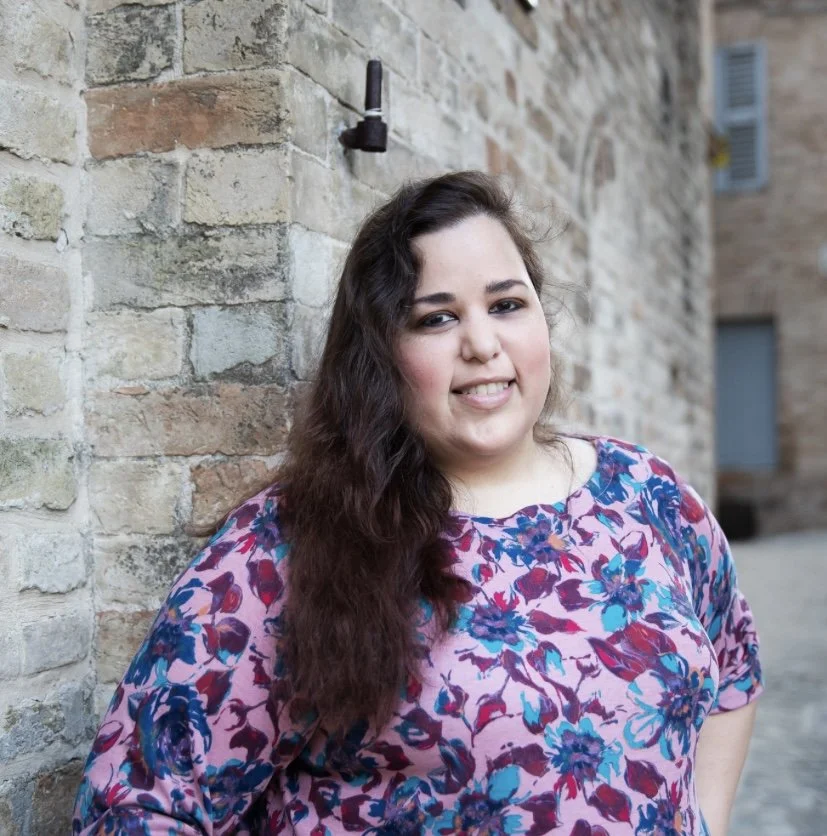
Mina Rasti, LCMHC
When You’re Tired of Always Being in Survival Mode
Even when things are okay, part of you is waiting for the other shoe to drop.
Small things can hit way harder than you think they should.
Sometimes you feel everything at once. Other times, you feel almost nothing.
Being the strong one has become second nature, even when you’re exhausted.
Asking for help can feel harder than just handling it yourself.
It’s easy to blame yourself, even for things that were never yours to carry.
Resting is hard when your mind and body never seem to fully switch off.
You may know you’re safe now, but some part of you still feels like it has to stay ready.

How Can Complex Trauma Therapy Help?
-
Learn what sends you into anxiety, shutdown, numbness, or overwhelm, and practice ways to help your mind and body settle when they go into high alert.
-
Build more capacity to stay with difficult feelings without becoming completely overwhelmed, pushing them away, or feeling like you have to hold everything together.
-
Untangle the messages that taught you to question yourself, take responsibility for things that weren’t yours, or believe that something about you was the problem.
-
Practice saying no, expressing what you need, and handling difficult conversations without automatically people-pleasing, shutting down, overexplaining, or feeling guilty for taking up space.
You do not have to keep navigating this on your own.
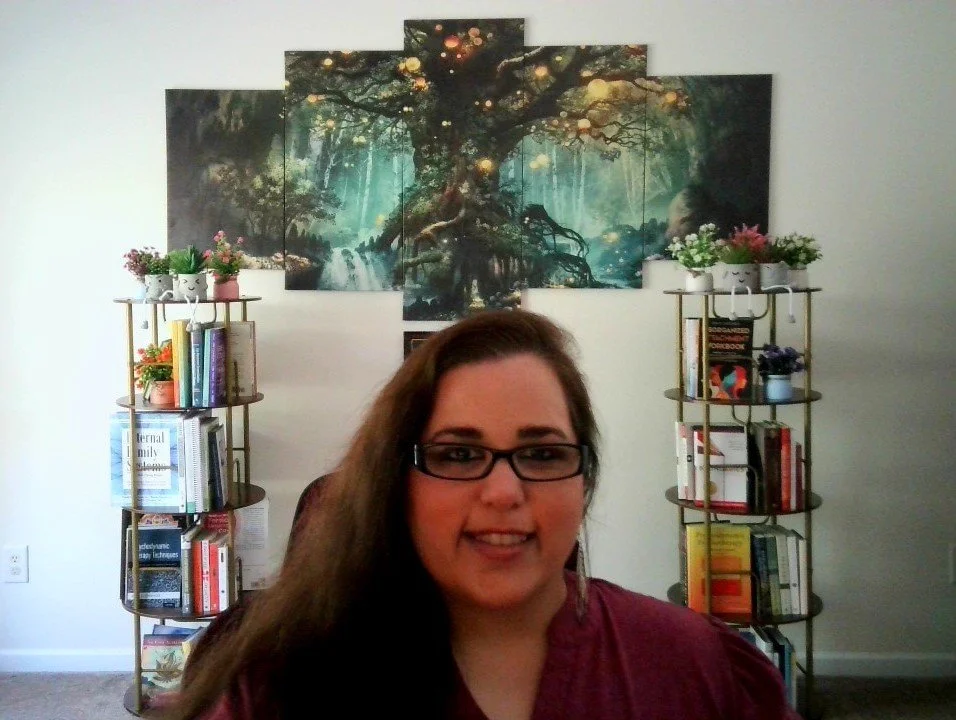
Hi, I’m Mina.
Trauma work can feel intimidating, especially if part of you is thinking, “I really don’t want to open all of that back up.” I get that.
Working with me doesn’t mean you have to walk in and tell me every painful thing that has ever happened to you. We can start with what’s affecting you now and take our time figuring out what feels important to explore.
My style is warm, conversational, and collaborative. I’ll ask questions, help you slow things down, and sometimes point out connections that may not have been obvious before. We might talk about something from years ago, something that happened last Tuesday, or why a seemingly small situation brought up a much bigger reaction than you expected.
There’s room for the heavy stuff, but therapy with me also has room for humor, personality, and being a real person. You don’t have to spend the whole hour being serious just because we’re talking about serious things.
Most importantly, I’m not going to rush you. We’ll work with what feels manageable and go from there.
Complex Trauma Therapy FAQs
-
No. You don’t have to tell me every detail before you’re ready. We can start with what’s affecting you now and move into the past only when it feels useful and manageable.
-
There isn’t one timeline that fits everyone. Some people notice changes fairly early, while experiences that have been affecting you for years may take more time to work through. We’ll move at a pace that feels sustainable for you.
-
Yes. My practice is fully virtual, and I work with adults throughout North Carolina and South Carolina.
-
Yes. I’m in-network with Aetna and Blue Cross Blue Shield. I also offer a self-pay option at $150 per session.
You Don’t Have to Stay in Survival Mode
You may have learned how to get through hard things. That doesn’t mean you have to keep living like something bad is always about to happen.
Let’s talk about what you’ve been carrying and what you want life to feel like instead.