

Attachment Therapy
Therapy for when you want closeness, but anxiety, distance, or old relationship patterns keep getting in the way.
Online in North Carolina and South Carolina

Aetna and BCBS accepted
Mina Rasti, LCMHC

When You’re Either All In or Ready to Check Out
Every little shift can suddenly feel loaded with meaning.
Reassurance helps for a minute, then the doubt creeps back in.
Keeping the peace can turn into overgiving or swallowing what you really want to say.
Getting emotionally flooded may lead to shutting down or checking out.
One part of you wants the relationship, while another part wants space from it.
Different person. Somehow, the same story.

How Can Attachment Therapy Help?
-
Learn what tends to set off anxiety, shutdown, defensiveness, or the urge to pull away, and practice ways to work through those reactions without letting them take over.
-
Make sense of the part of you that wants the relationship and the part that wants distance, reassurance, control, or protection.
-
Practice asking for what you need, receiving care, and staying present when being emotionally open feels uncomfortable.
-
Learn healthier ways to express what you need, set boundaries without as much guilt, and work through disagreements without shutting down, overexplaining, or trying to fix everything at once.
-
Understand the roles and dynamics you keep finding yourself in and begin creating something different instead of repeating the same story with a different person.
You do not have to figure this out on your own.
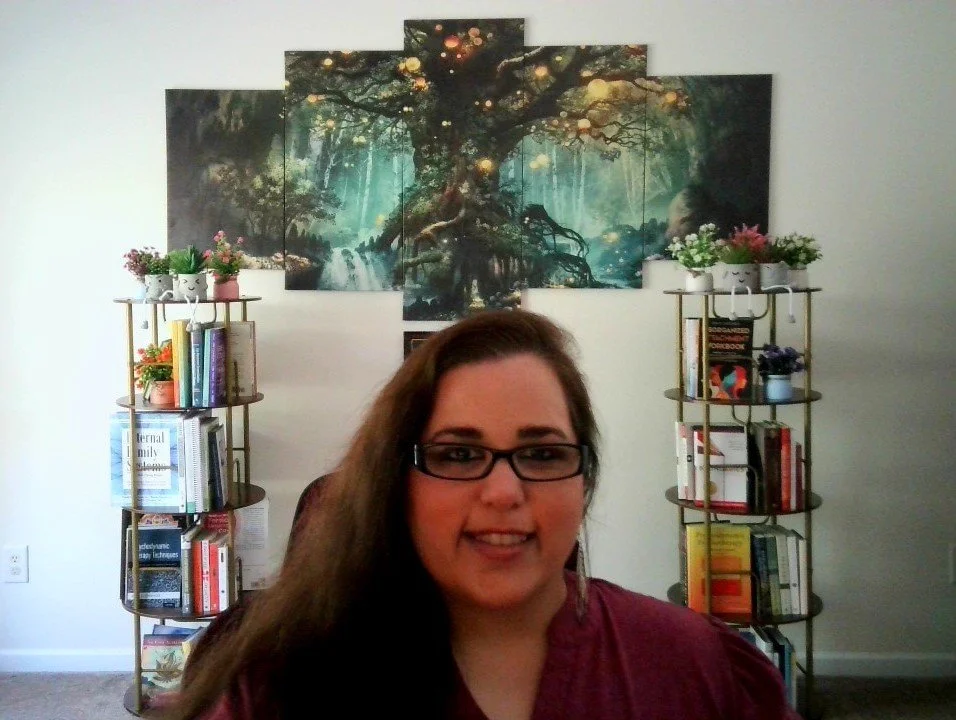
Hi, I’m Mina.
One of the things I really enjoy about attachment work is helping people make sense of the patterns they’ve been living with, sometimes for years.
You may already have a pretty good idea of what you do in relationships. What we can explore together is why those reactions make sense for you, what’s happening underneath them, and what you may want to do differently.
I’m naturally curious, so you can expect me to ask thoughtful questions and help you connect dots you may not have connected before. Sometimes that means looking at earlier experiences. Sometimes it means slowing down something that happened last week and understanding why it affected you the way it did.
My style is warm, conversational, and collaborative. There’s room for reflection, difficult emotions, humor, and those “wait...that actually explains a lot” moments that can happen when things start coming together.
You don’t have to come in already understanding your attachment patterns. We can figure them out together.
Attachment Therapy FAQs
-
Yes. Attachment patterns aren’t fixed, even when they’ve been showing up for a long time. Therapy can help you understand what keeps those patterns going and begin experimenting with different ways of responding to yourself and others.
-
There isn’t one timeline that works for everyone. Some people begin noticing new insights or small shifts fairly early, while patterns that have developed over many years may take more time to work through. We’ll move at a pace that makes sense for you and what you want to work on.
-
Yes. My practice is fully virtual, and I provide online therapy to adults throughout North Carolina and South Carolina.
-
Yes. I am in-network with Aetna and Blue Cross Blue Shield. I also offer a self-pay option ($150 per session) for clients who prefer not to use insurance.